Wooden Wobble Balance Board
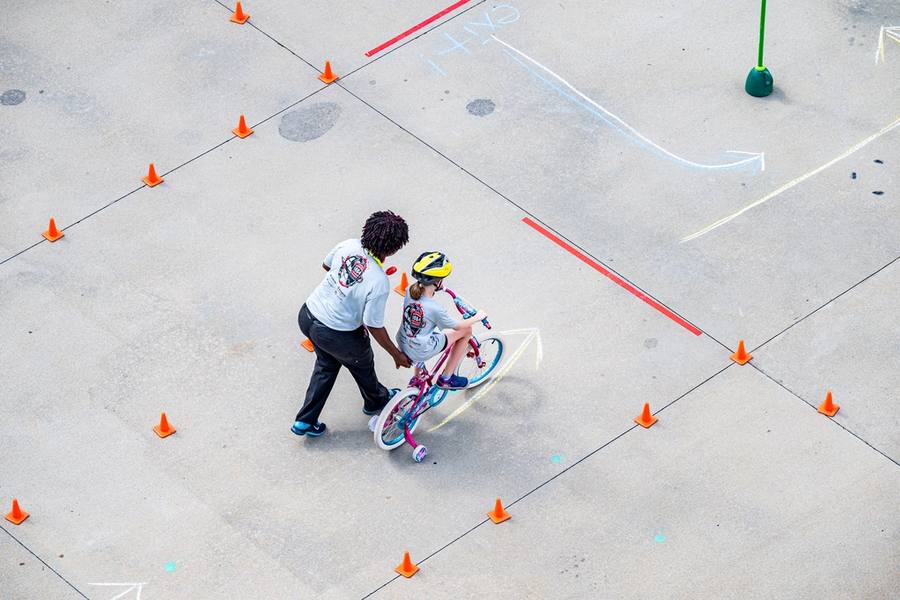
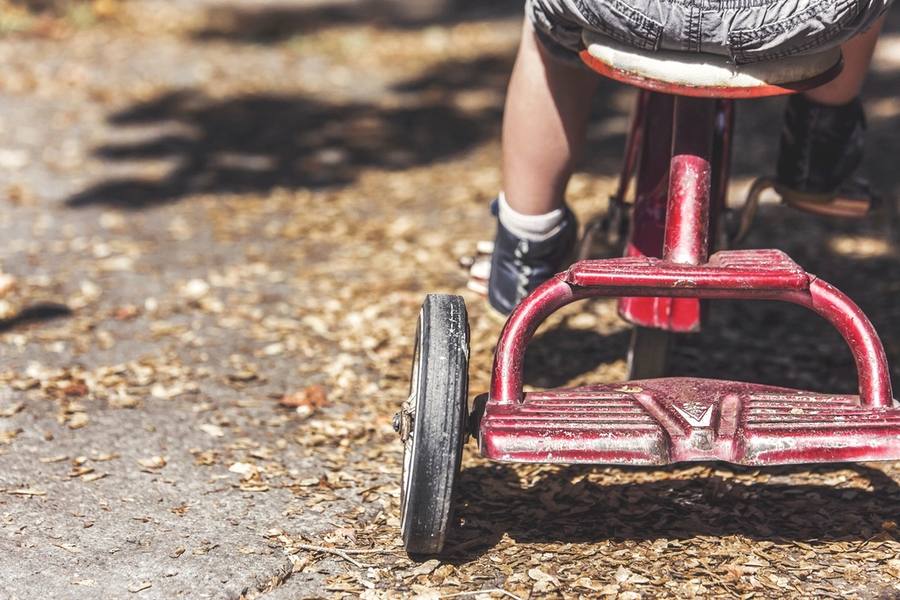
Symbolbild (Stockfoto); nicht das abgebildete Produkt.
Bought For Balance, Used For Everything
These boards are marketed as balance trainers and children use them as bridges, boats, slides, tunnels, seats and shop counters far more than as balance equipment.
That open-ended use is where the real value lies, and it is why the board is still used years after the balance novelty has worn off.
Judging one purely on its balance-training claims undersells what it actually does in a playroom.
Balance Training Is Real But Modest
Rocking on a curved board does exercise the small stabilising muscles and the vestibular system, which is genuine and unremarkable.
Claims of significant developmental gains are not well evidenced, and a child running around outside achieves as much or more.
The honest case is that it is a durable open-ended object that happens to involve movement, which is sufficient without inflated claims.
Weight Limits And Adult Use
Stated weight limits are usually generous and adults do stand on these boards, which is the situation where a board fails.
Layered birch ply boards are strong and the failure mode when overloaded is cracking at the curve, which happens suddenly.
Checking the stated limit rather than assuming is sensible where older siblings or adults will use it, which they will.
Surfaces, Slipping And Felt
A bare wooden board slides on hard floors, which turns a balance board into something that shoots out from under a child.
Felt strips on the rocker edges provide grip and protect a floor from marking, and they wear and can be replaced.
Socks on a hard floor on a wooden board is the specific combination to avoid, and bare feet or a rug solves it entirely.
Finish And Durability
These boards are heavy, stood on daily and treated roughly, and the finish is what fails first with chipping at the edges.
Unfinished or oiled wood ages gracefully and marks, where a lacquered finish looks better initially and chips visibly.
Splinters from a chipped edge are the practical concern, and sanding a damaged edge and re-oiling it takes minutes.
Size is the specification that determines usefulness, since a small board suits a toddler and is outgrown while a full-size one is used by adults and children alike. The larger sizes are heavier and considerably more awkward to move around a house, which is the trade. For a board intended to last a decade the larger size is clearly right, and for a toddler now the smaller one is easier to handle.
Felt-covered versions exist and are quieter on hard floors and warmer to sit on, at the cost of a surface that collects dust and cannot be wiped clean.
Pairing two boards together opens up considerably more construction, since two curves make a tunnel or a bridge that one alone cannot.
Adults use these as standing-desk balance boards and for physiotherapy, which is a genuine second life once a child has moved on from it entirely.
Storage is the one real objection, since a board is large, heavy and does not stack, and it tends to live leaning against a wall permanently.
The Verdict
An unusually durable open-ended object where the imaginative play matters more than the balance claims.
Developmental claims are overstated, bare boards slide on hard floors, and lacquered edges chip into splinters.
Buy it for the open-ended play. The balance training is real and modest, and the bridges and boats are the point.
Auf einen Blick
Vorteile
- Used as almost anything in imaginative play
- Lasts years with no mechanism to fail
- Genuine if modest balance and vestibular work
- Felt edges protect floors and provide grip
Nachteile
- Developmental claims are overstated
- Slides dangerously on hard floors in socks
- Heavy and awkward to store
- Lacquered edges chip into splinter risks
Häufig gestellte Fragen
Does it actually improve balance?
Modestly. Rocking does exercise stabilising muscles and the vestibular system, and claims of significant developmental gains are not well evidenced. A child running around outside achieves as much.
So why buy one?
For the open-ended play. Children use them as bridges, boats, slides, tunnels and shop counters far more than as balance equipment, and that is what keeps them in use years after the novelty wears off.
Is it safe on a wooden floor?
Not in socks — a bare board slides and shoots out from under a child. Felt strips on the rocker edges provide grip and protect the floor, and bare feet or a rug solves it entirely.
Spezifikationen
| Type | Curved wooden wobble board |
| Actual use | Open-ended imaginative play |
| Balance benefit | Real but modest |
| Construction | Layered birch ply |
| Weight limits | Check; adults do use them |
| Grip | Felt strips on rocker edges |
| Avoid | Socks on a hard floor |
| Finish | Oiled ages better than lacquered |
Fazit
The balance claims are modest; the bridges, boats and tunnels are why it stays in use for years.
Preis auf Amazon prüfen