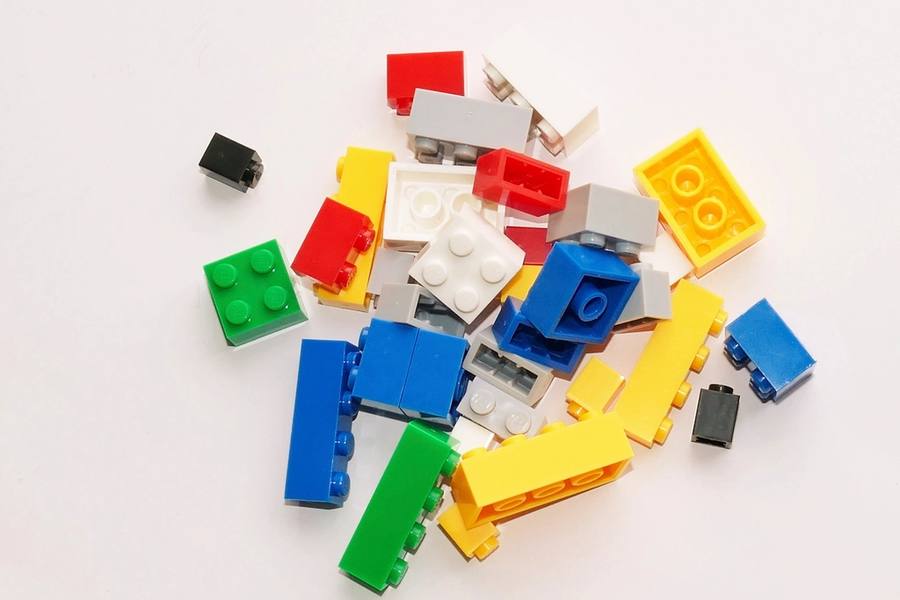
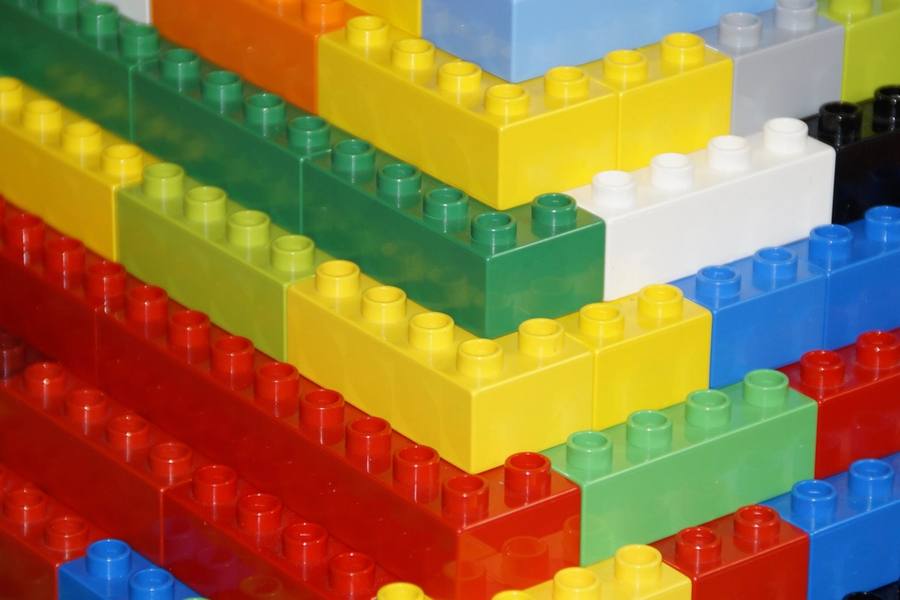
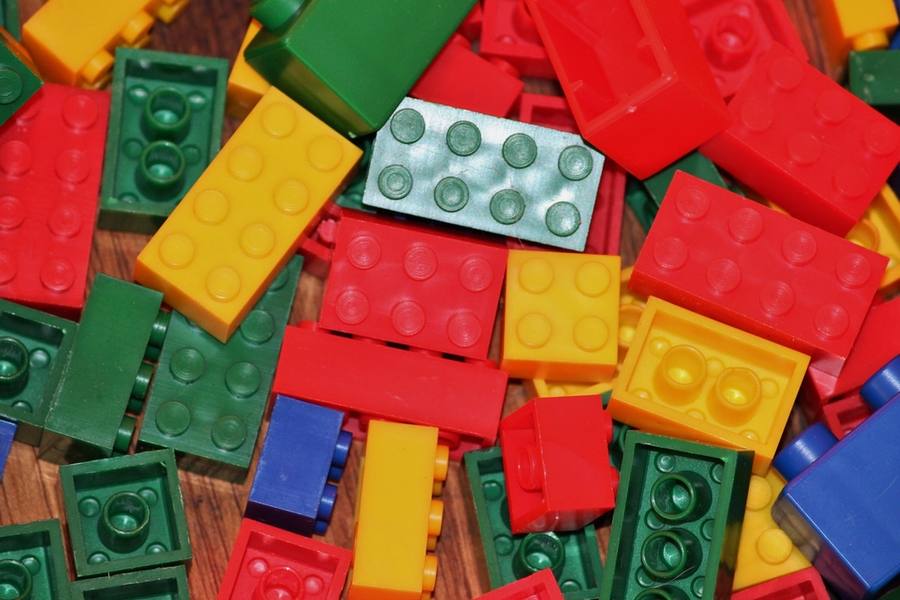
Large Classic Brick Set
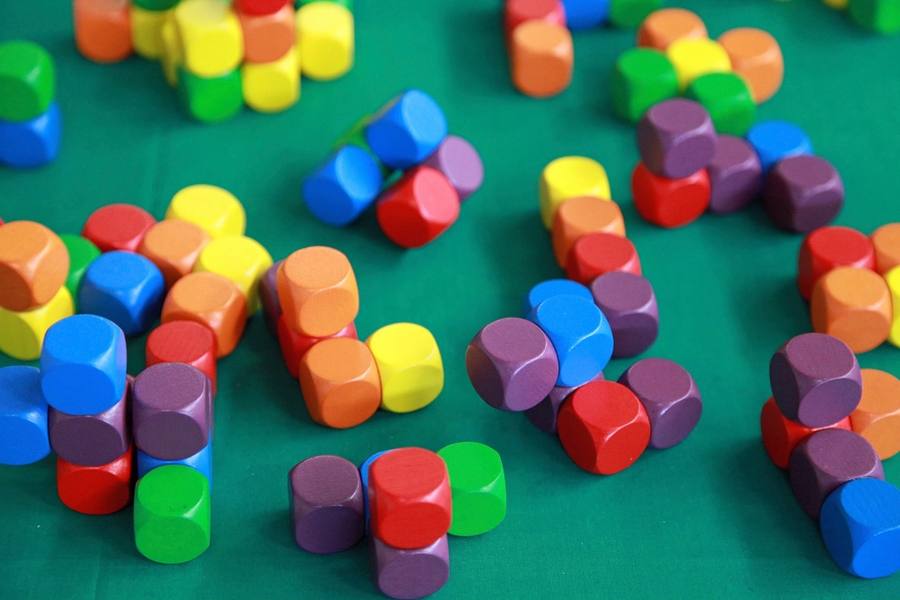
Symbolbild (Stockfoto); nicht das abgebildete Produkt.
Open-Ended Outlasts Model Sets
A model set is built once, admired, and then either kept assembled and dusted or broken up and mixed into a general collection.
A box of plain bricks has no finished state and is therefore played with repeatedly over years, which is a genuinely different pattern of use.
Both have their place, and for a first substantial purchase the open-ended box delivers far more hours per pound than any licensed model does.
Clutch Power Is The Quality Test
Clutch power is how firmly bricks hold together, and it is the single property that separates a good brick from a bad one.
Loose bricks produce models that fall apart while being built, which is intensely frustrating for a young child and is the commonest reason cheap sets are abandoned.
Over-tight bricks are equally bad, since small hands cannot separate them and a parent ends up dismantling everything, and the good manufacturers hold a narrow tolerance that cheap ones do not.
Compatibility Across Brands
Most brick systems claim compatibility with the market leader, and the fit ranges from indistinguishable to noticeably loose or tight depending on manufacturing tolerance.
Mixing brands in one collection usually works and produces occasional pieces that do not hold well, which a child notices and finds annoying.
For a foundational collection, staying with one system avoids that entirely, and cheaper brands are a reasonable way to add bulk once a core collection exists.
Piece Selection Over Piece Count
A high piece count achieved mostly with tiny one-by-one bricks builds very little, and a smaller box of varied useful sizes builds far more.
Plates, larger bricks and a reasonable spread of colours are what make open building possible, and specialist decorative pieces contribute almost nothing.
Checking what a box actually contains rather than the headline number is the difference between a useful box and an expensive bag of small parts.
Storage Determines Whether It Is Used
A large collection in one deep container requires digging for every piece, which is slow enough that children stop looking and build with whatever is on top.
Shallow sorting by size or colour transforms usability, and the effort of sorting once is repaid many times over.
Bricks also hurt considerably when stepped on and block vacuum cleaners, both of which argue for a play mat with a drawstring that gathers everything in one movement.
Second-hand bricks are worth considering seriously, since the material is effectively indestructible and a used bulk lot costs a fraction of new while being functionally identical. Washing is straightforward in a mesh bag with warm water and mild detergent, avoiding anything hot enough to warp the plastic, and printed or electronic elements should be kept out of water entirely. That route builds a large usable collection quickly for the price of a small new box.
Baseplates deserve a separate mention since they anchor a build and stop it sliding apart on a table. A collection without one tends to produce models that are carried, dropped and rebuilt rather than developed over days.
The Verdict
The most durable value in children's toys, where brick quality and piece selection matter far more than headline count.
Cheap bricks with poor clutch power fall apart, high counts hide useless pieces, and unsorted collections stop being used.
Judge clutch power, not piece count. Bricks that fall apart mid-build are the reason cheap sets get abandoned.
Auf einen Blick
Vorteile
- Open-ended play lasts years rather than one build
- Good clutch power holds models together
- Compatible with most other brick systems
- Retains value and can be passed on
Nachteile
- Cheap bricks have poor or inconsistent clutch
- High piece counts hide useless small pieces
- Unsorted bulk collections stop being used
- Small parts are a choking hazard for under-threes
Häufig gestellte Fragen
Model set or plain bricks?
Plain bricks for a first substantial purchase. A model set is built once and then either dusted or broken up, where an open-ended box has no finished state and is played with repeatedly over years.
What is clutch power?
How firmly bricks hold together, and the single thing separating good bricks from bad. Too loose and models fall apart mid-build; too tight and small hands cannot separate them. Cheap sets hold neither tolerance well.
Does piece count matter?
Less than what the pieces are. A high count achieved with tiny one-by-one bricks builds very little. Plates, larger bricks and varied colours are what make open building possible, and specialist decorative pieces contribute almost nothing.
Spezifikationen
| Type | Open-ended classic brick set |
| Quality test | Clutch power |
| Too loose | Models fall apart during building |
| Too tight | Small hands cannot separate them |
| Piece selection | Matters more than count |
| Useful pieces | Plates, larger bricks, varied colours |
| Storage | Shallow sorting by size or colour |
| Hazard | Small parts, under-threes |
Fazit
Best hours-per-pound in children's toys. Judge clutch power and piece selection, never the headline count.
Preis auf Amazon prüfen