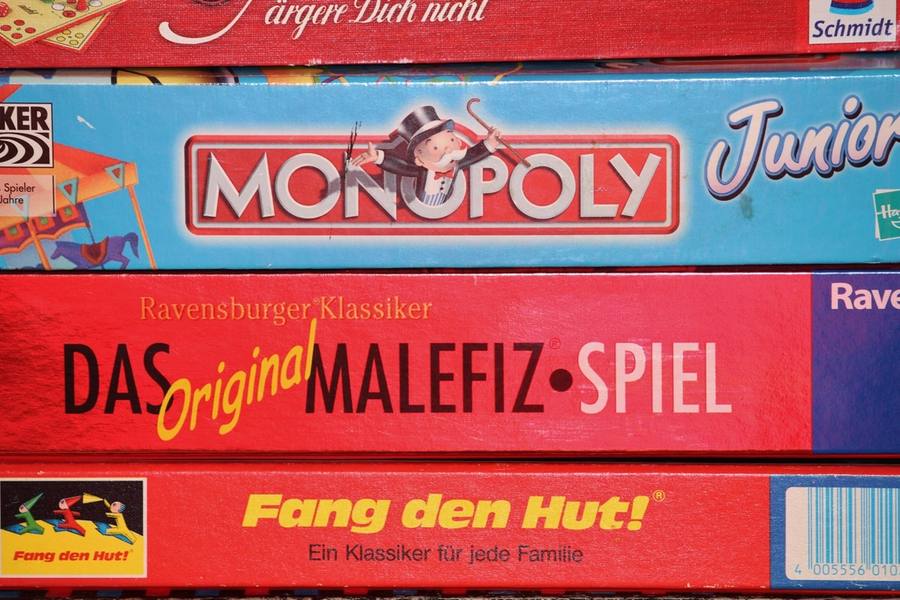
Family Strategy Board Game

Symbolbild (Stockfoto); nicht das abgebildete Produkt.
Decisions Beat Roll And Move
A traditional roll-and-move game gives a player no decisions at all, which means the outcome is determined entirely by dice and the players are spectators to their own game.
A game with genuine choices — what to build, what to take, what to give up — holds adult attention while remaining playable by a child, which is what makes family games work.
That is the single distinction that predicts whether a game is played twice, and it matters far more than theme, component quality or the name on the box.
Playing Time Is The Real Constraint
A game taking ninety minutes will be played on a holiday afternoon and almost never on a weeknight, which for most families means a handful of plays a year.
A game finishing in thirty to forty minutes gets played after dinner, which over a year is a completely different number of sessions.
Stated times on boxes are optimistic and assume players who know the rules, and a first play with rule-checking regularly takes twice as long.
Player Elimination Ruins Family Games
A game that knocks a player out halfway leaves a child sitting watching, which for a young child is genuinely miserable and ends the goodwill for the evening.
Games where everybody plays to the end, even if losing, keep the table together and are the right choice for mixed ages.
Direct player attacks have the same effect in a smaller way, and games where players build in parallel rather than knocking each other back suit families considerably better.
Catch-Up Mechanics And Losing Well
A game where an early lead becomes unassailable is decided long before it ends, and everybody knows it while continuing to play.
Mechanisms that help trailing players — cheaper actions, better turn order, bonus resources — keep the outcome open and the table engaged to the last turn.
They also let an adult play properly rather than visibly throwing the game, which children detect reliably and resent more than losing.
Rules Clarity And First Play
A badly written rulebook turns a first play into an hour of argument and page-flipping, which is where most games are abandoned permanently.
A reference card per player, a clear turn structure and a short tutorial video are what get a game to the table successfully the first time.
One person learning the rules properly beforehand and teaching the others is considerably faster than reading together, and it is worth the twenty minutes.
Player count is worth checking against the household rather than the box, since many games list a range within which they play well at only part of it. A game listed for two to six frequently drags badly at six and is thin at two, and reviews written by people who play it regularly are far more reliable on that than the number on the box. For a family of a fixed size, a game designed specifically around that count is noticeably better than one that merely accommodates it.
The Verdict
A genuinely good family purchase when decisions are real, nobody is eliminated and it fits in an evening.
Box times are optimistic, first plays take twice as long, and games with runaway leaders are decided before they end.
Check the playing time honestly. A ninety-minute game gets played twice a year, whatever else it does well.
Auf einen Blick
Vorteile
- Real decisions hold adult and child attention
- Everybody plays to the end without elimination
- Catch-up mechanics keep outcomes open
- Short games actually get played on weeknights
Nachteile
- Stated playing times are optimistic
- First plays take roughly twice as long
- Poor rulebooks kill games permanently
- Runaway leaders decide games early
Häufig gestellte Fragen
What makes a good family game?
Real decisions rather than dice determining everything, nobody eliminated partway, and a length that fits an evening. Those three predict whether a game is played twice far better than theme or component quality.
How long will it actually take?
Longer than the box says, which assumes players who know the rules. A first play with rule-checking regularly takes twice the stated time. Aim for thirty to forty minutes stated if you want it played on weeknights.
Should I let my child win?
Better to pick a game with catch-up mechanics so you can play properly and the outcome stays open. Children detect visible throwing reliably and resent it more than losing to a parent playing fairly.
Spezifikationen
| Type | Family strategy board game |
| Key quality | Genuine decisions, not dice alone |
| Practical length | Thirty to forty minutes |
| Box times | Optimistic; assume rules known |
| Avoid | Player elimination in mixed ages |
| Helpful | Catch-up mechanics |
| First play | One person learns and teaches |
| Support | Player reference cards |
Fazit
Real decisions, no elimination, under forty minutes. A ninety-minute game gets played twice a year.
Preis auf Amazon prüfen